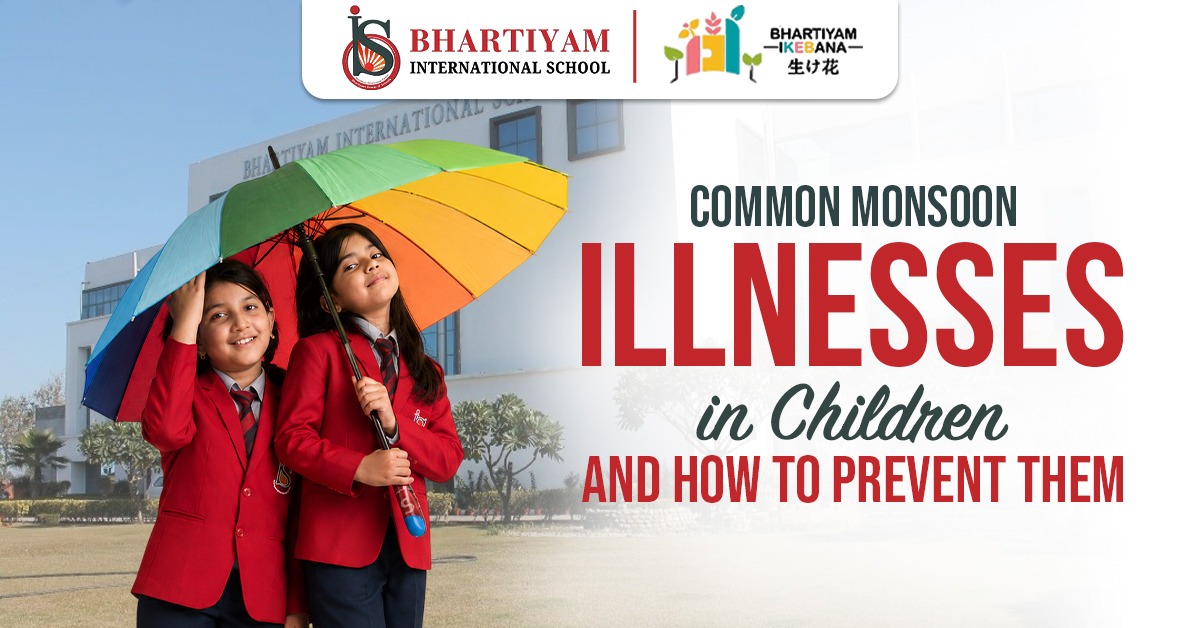
The summer is over, but for parents the monsoon is a time of familiar doctor visits and fevers. Monsoon diseases in children are particularly dangerous to children as their immune system is not fully developed and they spend a lot of time with other children at school where they can easily catch infectious diseases.
Why Children Are More Vulnerable
A child’s developing immune system, combined with close contact at school, outdoor play in puddles, and a natural habit of touching their face, makes rainy season diseases in children difficult to avoid without active prevention.
Common Monsoon Illnesses in Kids
Dengue Fever Spread by mosquitoes breeding in stagnant water. Keep an eye out for high temperatures, intense headache, joint pain and a rash that occurs a couple days in. Children can rapidly get worse and any unresponding fever within a day or two should be treated.
Malaria causes fever, chills and sweats, sometimes in waves. Recurrent fever during monsoon should be assessed immediately.
Typhoid Spreads through contaminated food and water. It is characterized by long fever, weakness and stomach pain and requires a special course of antibiotics.
The most prevalent of common monsoon diseases in children, which spread rapidly in schools: Common cold and viral fever Typically improves with fluid intake and rest over the course of a few days.
Diarrhoea and Gastrointestinal Infections Caused by contaminated food and water. The biggest danger is dehydration, and this is as important as treatment of the infection itself, so fluids and oral rehydration are important.
Fungal Skin Infections are common in areas of skin folds and between the toes where there is humidity. Not serious but persistent, if not treated properly.
Hot and cool days and nights: Sudden changes in temperature cause higher respiratory infections and may exacerbate asthma in children with the disease.
Dengue Prevention for Children
With the severity of Dengue, Dengue Prevention for children should be given a particular focus:
- Drain pots, coolers, and containers of water once a week if the water is still or stagnant.
- Clothe children for full sleeves in the early morning and early evening.
- Apply mosquito repellent for children prior to outdoor activity.
- Make sure windows are screened and that you use mosquito nets while sleeping.
- Become aware of a high fever, body ache or a rash that develops a few days after getting sick.
- Ask with the school its fogging timetables and standing water checks on the premises
Daily Monsoon Health Tips for Children
Hygiene: Regular handwashing and cutting nails, and changing out of wet footwear and clothes after the rain.
Food and water safety: Do not eat street food or cut open fruit on the street. Only use filtered or boiled water. Favour freshly cooked, hot food.
Immunity: Strong immunity is necessary to help prevent seasonal infections, and a healthy diet, good sleep and exercise habits are all important factors.
Clothing: A pair of waterproof shoes to wear on the way to and from school and a second set of dry clothes to wear at school for young children.
How to Protect Children from Monsoon Diseases: Quick Checklist
- Drain excess water around the house on a weekly basis
- Wear repellent and protective clothing during peak mosquito hours (dusk to dawn).
- Ensure good food and water management practices
- Reinforce handwashing consistently
- Avoid having children wet as much as possible
- Be extra vigilant about the fever, do not wait it out.
- Provide proper nutrition and sleep
- Continue to be vigilant about any area diseases.
When to See a Doctor
If fever persists for longer than two days, or is accompanied by a rash, it is followed by repeated vomiting, severe abdominal pain, unusual lethargy or bleeding from nose and gums, seek immediate medical attention. Getting things done early – particularly in the case of dengue and malaria – makes a difference.
A Shared Responsibility: Home and School
Parents cannot take care of Student health and safety in monsoon . Fogging schedules, drainage and communication of contagious illness should be maintained at school. For general tips for the entire school, check out these monsoon safety tips for kids for hygiene stations and campus safety.
Conclusion
With simple, regular habits, monsoon diseases in children can be largely prevented. Most of the risks from the mosquito season are addressed by eliminating mosquito breeding sites, hygiene, proper clothing and early symptoms. Prevention is much more effective and less stressful than treatment after the fact.
Frequently Asked Questions (FAQs)
What are the most common illnesses associated with the monsoons in children?
Dengue, Malaria, Typhoid, Viral fever, Diarrhoea, Fungal infections and Respiratory infections. Most are preventable with hygiene and mosquito control.
How do I protect my child from the dengue during the monsoon season?
Drain stagnant water once a week, wear repellent and protective clothing, and keep a close eye on for high fever or rash.
What are the top health tips to follow during the monsoon season for kids?
Washing hands often, not eating on the street, keeping children dry, eating right and careful observation of fever.
When to see a doctor during the monsoons for sick child?
If fever persists for 2 days or more, it is accompanied by a rash, repeated vomiting or any nose or gum bleeding.